



How to choose power equipment that fits the job
The right machine is the one sized for the work you actually do. An oversized generator burns fuel you do not need; an undersized snow blower leaves you clearing the end of the driveway twice. This guide explains the few specifications that matter most in each department we carry, so you can compare models with confidence and order the right one the first time. Every product page at Pulse Gear lists the manufacturer’s specifications, included accessories and warranty terms in a plain table, so you can check the details before you add anything to your cart.
Snow blowers: match clearing width and stages to your surface
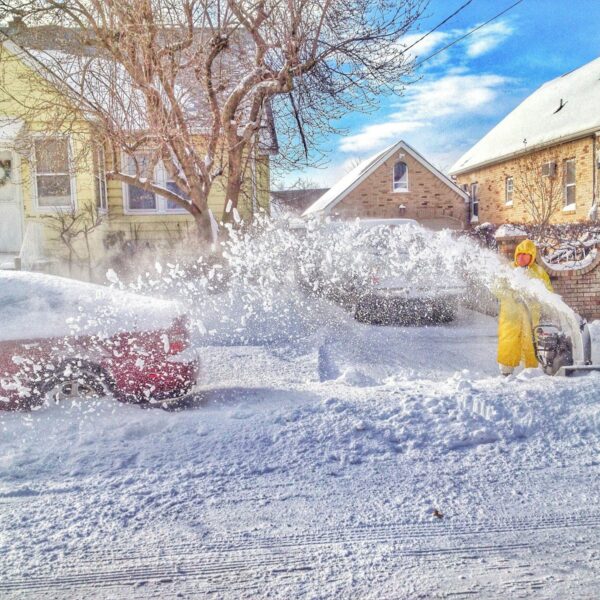
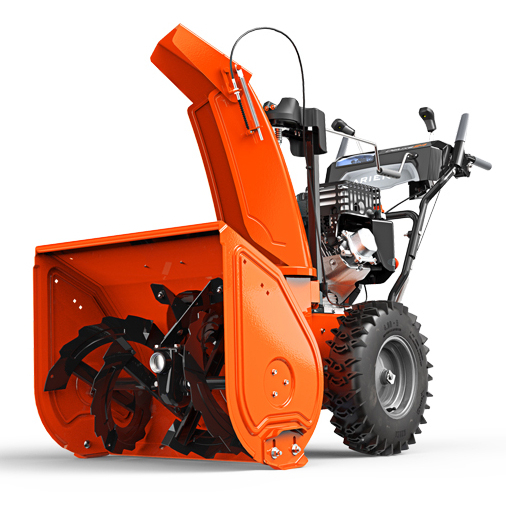
Single-stage machines scoop and throw snow in one motion. They are light and quick on paved driveways with moderate snowfall, but they struggle with deep, wet or plow-packed snow at the end of the drive. Two-stage machines use an auger to gather snow and a separate impeller to throw it, which lets them handle heavy snow, gravel surfaces and longer throws. For most Canadian driveways that see repeated storms, a 24-inch two-stage machine is the practical starting point; wider 28- to 30-inch housings save time on long or double driveways and small commercial lots.
- Clearing width and intake height decide how much snow you move per pass.
- Electric start, heated grips and a headlight matter when you clear before sunrise.
- Battery models are quieter and need no fuel; gas models run longer in very deep snow.
Generators: add up running watts, then check the outlets
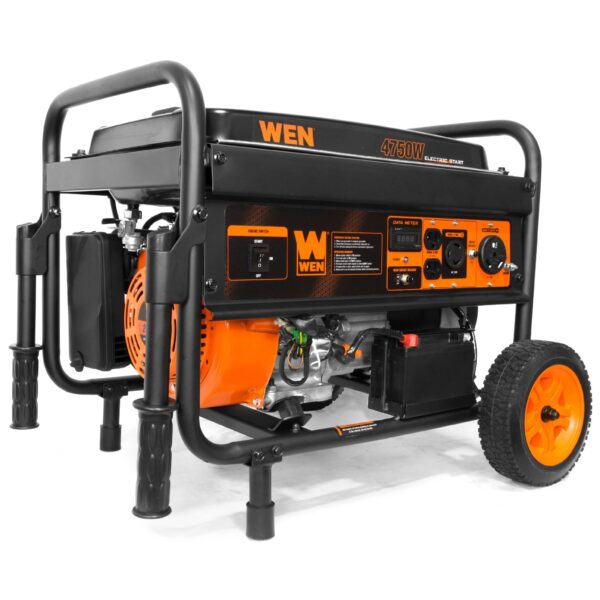
Start by listing what must keep running during an outage — typically a refrigerator, a furnace blower, a sump pump, lights and device chargers. Add their running watts, then add the single largest starting surge. Choose a generator whose rated (running) output covers the total with some headroom. Next, check the receptacles: an L5-30 or TT-30R outlet allows connection to a transfer switch or RV, while standard 5-20R outlets serve tools and extension cords. Inverter generators produce cleaner power for electronics and run quieter, which also suits campsites and residential neighbourhoods.
| Use | Typical rated output | What to look for |
|---|---|---|
| Camping, tailgating, chargers | 1,600–2,500 W | Inverter, low noise, light weight |
| Home essentials during an outage | 3,500–5,500 W | Electric start, L5-30 outlet, wheel kit |
| Larger homes, job sites | 7,000 W + | 240 V output, transfer-switch ready |
Always run a portable generator outdoors, well away from doors, windows and vents, and connect it to household wiring only through a properly installed transfer switch.
Chainsaws: displacement and bar length go together
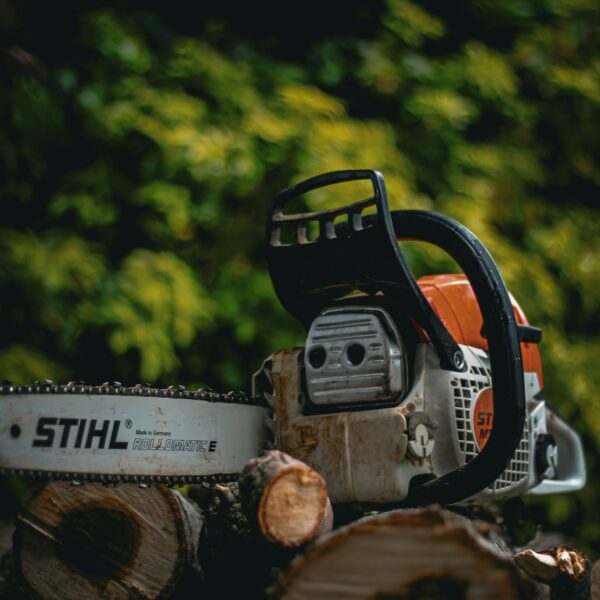
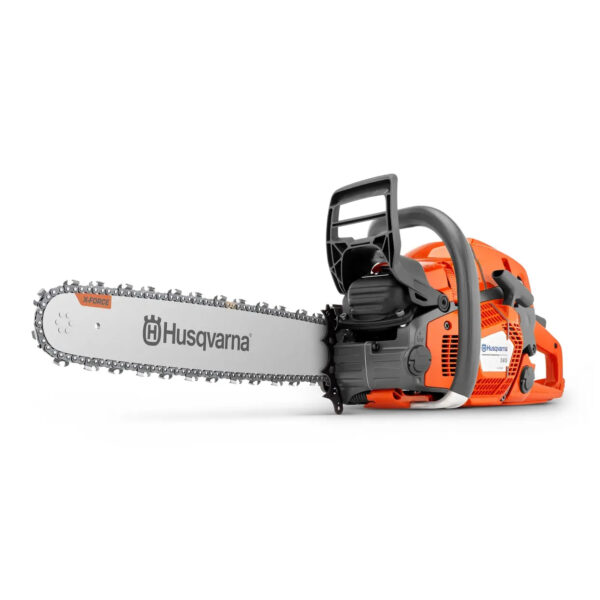
Homeowner pruning and light firewood work suit saws under 45 cc with 14- to 18-inch bars. Professional felling, storm cleanup and large-diameter bucking call for 60 to 75 cc saws that can pull 20- to 28-inch bars without bogging down. Look at power-to-weight ratio, vibration levels and features such as automatic carburetor tuning, which keeps performance steady as altitude and temperature change. Heated handles are worth having for Canadian winter work.
Pressure washers: cleaning power is PSI times GPM
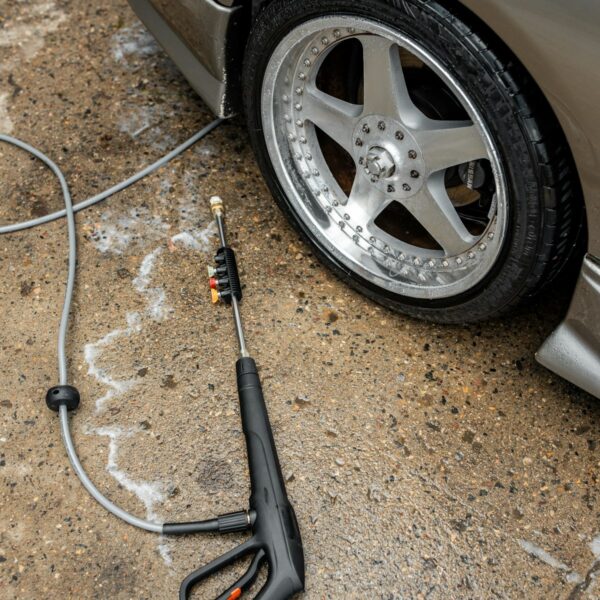
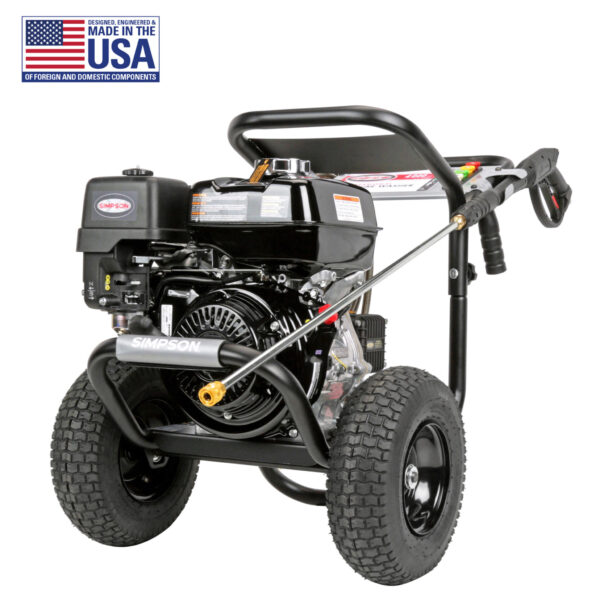
Pressure (PSI) breaks dirt loose; flow (GPM) carries it away. Multiplying the two gives cleaning units, the fairest way to compare machines. Around 2,000–2,800 PSI handles cars, patio furniture and siding. Commercial machines at 3,500–4,400 PSI with 3–4 GPM strip concrete, restore decks and clean equipment far faster. For daily commercial use, look for a commercial engine, a triplex plunger pump and a steel-braided hose — these parts are built for long run times and can be serviced rather than replaced.
Lawn mowers: robotic, push or ride-on
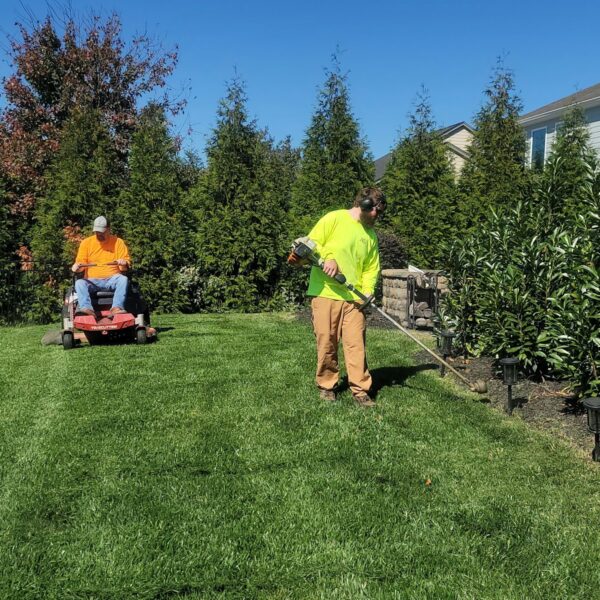
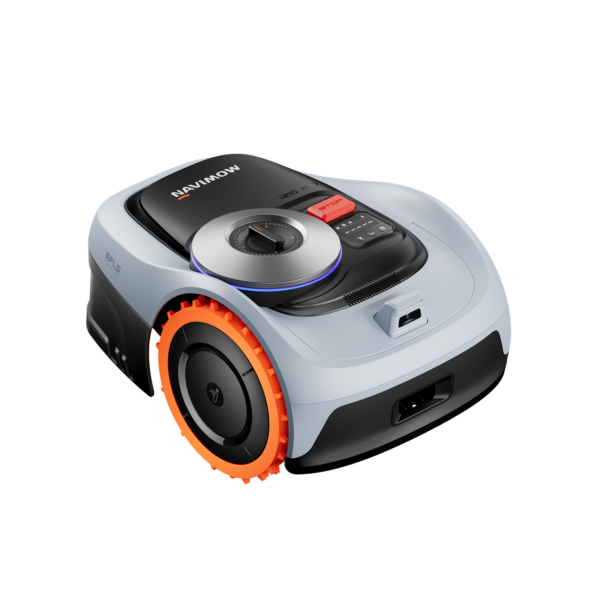
Robotic mowers keep a lawn at an even height by cutting a little every day. Newer wire-free models use satellite and camera positioning to map the yard, avoid obstacles and climb slopes, so installation takes minutes instead of burying a boundary wire. Choose a model rated for more area than your lawn, and check the maximum slope and whether it needs a separate antenna. Push and self-propelled mowers remain the best value for small lots, while ride-on and zero-turn machines suit properties over half an acre.
Frequently asked questions
How do I place an order?
Add a product to your cart, select Checkout, enter your delivery details and choose a payment method. You will receive an order confirmation by email straight away.
Which payment methods can I use?
You can pay by credit or debit card through our secure card processor, or by Interac e-Transfer. With e-Transfer, your order is reserved while we wait for the payment to arrive, and we ship once it is received.
Are prices in Canadian dollars?
Yes. All prices are listed in Canadian dollars (CAD). Applicable sales taxes are calculated at checkout based on your delivery address.
Can I get advice before buying?
Yes. Send us your job details through the contact page — surface, area, runtime or the tools you need to power — and we will recommend a suitable model.
What warranty comes with the equipment?
Each product is covered by its manufacturer’s warranty. The terms are listed on the product page and on our Warranty page, together with how to make a claim.